Navigating Difficult Access: Upstairs Flats & Tight Stairwells
How our Colchester crew moves sofas, beds and appliances through narrow stairwells, tight landings and upstairs flats without damage or drama.
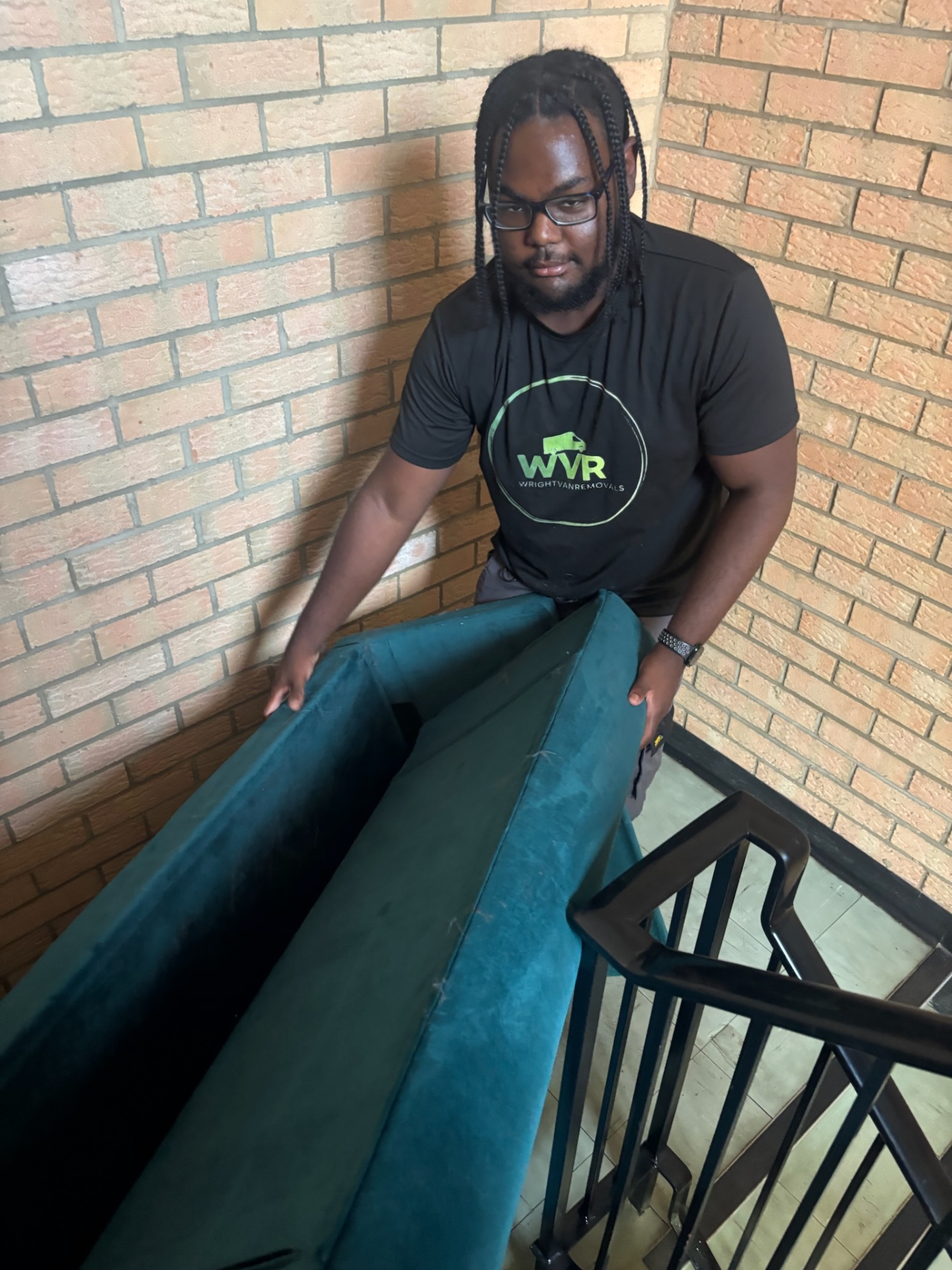
Difficult access is the part of a move most people underestimate. In Colchester, plenty of homes are upstairs flats, Victorian conversions or new-build blocks with half-landings barely wider than a sofa. If you are moving in or out of one, the question is rarely "will it fit in the van" - it is "will it get down the stairs". This guide explains how our house removals team plans and handles awkward access, so nothing gets forced, scraped or broken.
Who this guide is for
Anyone moving into or out of a first, second or third-floor flat, a converted terrace, or any property where the stairwell turns sharply. It is also useful if you are a landlord or agent booking a flat clearance and want to know how bulky items will actually leave the building.
Why Colchester stairwells are their own challenge
Around New Town, Greenstead, the Dutch Quarter and the roads off Maldon Road, a lot of housing stock is older terraces split into flats. Those staircases were built for people, not three-seater sofas. Common problems we deal with weekly:
- Quarter and half-landings that force a 90 or 180 degree turn
- Low bulkheads over the stairs that cut usable height
- Handrails and newel posts that cannot be removed
- Communal corridors with fire doors that swing the wrong way
- Narrow doorways with architrave that steals two inches on each side
- Modern blocks near the town centre with lifts too small for a wardrobe
Add restricted parking on many Colchester residential roads and you have a job that needs planning, not muscle.
The survey: measuring before we lift
On a free home survey we measure the awkward items and the route, not just the room contents. We record:
- Sofa or item depth, height and diagonal
- Doorway width with the door removed
- Stair width at the narrowest point and headroom at the bulkhead
- Landing turn dimensions
- Front door and communal door widths
- Nearest legal parking and carry distance
That gives us a clear yes, a "yes with the door off", or a plan B before the day - never a surprise on the morning of your move.
Protecting the property before anything moves
Damage on difficult-access jobs usually happens to the building, not the furniture. Before we lift anything we:
- Lay floor protection on stairs, landings and hallways
- Wrap newel posts, handrails and door frames
- Blanket-wrap and tape furniture so no hard edge is exposed
- Remove doors from hinges where the extra inches decide the job
- Cover mirrors and glazed doors on the route
Moving blankets do two jobs: they stop scuffs on paintwork, and they let an item slide along a wall instead of catching on it.
Lifting angles: how a sofa actually gets down a tight stairwell
Big items go through tight spaces on the diagonal, and the order of movements matters more than strength.
The vertical turn
Most three-seaters come down a narrow stair on their end, back facing the wall, with one crew member below controlling the descent and one above taking the weight. Standing the sofa upright immediately buys you the difference between the seat depth and the sofa height.
The pivot on the landing
At a half-landing we swing the item around the newel post rather than through it - the leading corner goes up over the rail line while the trailing corner drops. It looks alarming and it is entirely controlled.
Stripping the item
Sofa feet, bed frames, wardrobe doors and shelf brackets come off first. Ten minutes with a screwdriver often saves an hour of struggling, and legs are the single most common thing that snaps on DIY moves.
When it will not go
Occasionally an item genuinely cannot come down. We tell you that at survey stage, and options are honest ones: dismantle further, or arrange disposal or donation as part of a clearance instead of wrecking the walls trying.
Upstairs flats: the extras that make the day work
- Two-crew minimum on any first-floor-and-above job with a full load
- Fire doors wedged safely open, then closed again as we finish
- Communal areas kept clear so neighbours are never blocked in
- Loading planned so the heaviest carries happen first, while the crew is fresh
- Parking suspensions or agreed loading spots arranged in advance where needed
What you can do before we arrive
- Empty drawers and wardrobes - weight is what turns a tight turn into a stuck item
- Take down pictures and mirrors on the stair route
- Tell your letting agent or block manager the move date
- Clear the landing outside your door completely
- Flag any item you already know was a struggle coming in
- Keep pets and children off the stairs while we work
Costs and time
Difficult access adds time, not drama. Most upstairs-flat moves in Colchester still fall inside a standard half or full day; a two-person crew for a one-bed upstairs flat typically sits in the same range as a ground-floor job with an extra hour or two for the carry. We quote a fixed price after the survey, so the stairs never become an excuse for a bigger bill on the day.
Book a free home survey
If your move involves stairs, a lift, or an item you are not sure will fit, book a free survey and we will measure it properly. You can also contact us with a couple of photos of the stairwell and we will tell you honestly what we think.
Frequently asked questions
Can you get a three-seater sofa down a narrow Colchester stairwell?
In most cases yes. We stand the sofa on its end, remove the feet, blanket-wrap it and pivot it around the landing on the diagonal. We measure the item and the route at survey so we can tell you before the day whether it will go.
Do you charge extra for upstairs flats?
Difficult access adds carry time rather than a separate fee. We factor the stairs into the fixed quote after your free survey, so the price does not change on moving day.
What if an item genuinely will not fit?
We tell you at survey stage. Options are usually to dismantle it further, or to have it removed as part of a clearance rather than damaging walls, doors or the item itself.
How do you protect the communal areas of a block?
We lay floor protection, wrap handrails, newel posts and door frames, wedge fire doors safely while carrying and keep corridors clear so other residents are never blocked in.
Do I need to arrange parking for an upstairs flat move?
On many Colchester residential roads yes. Tell us the address at booking and we will advise on loading spots or parking suspensions so the carry distance stays short.
Planning a move in Colchester?
Book a free, no-obligation home survey. Our team will visit, listen, and give you a fair, fixed quote.
Book a free survey